Have you ever heard or read a topic where people are referred to as consumers?
The Consumer Identity: How Media Trans-formed Citizens into Commodified Audiences where people became revenue generators for commercial activity and advertising audiences.
In America and indeed the entire world we are inundated with advertising.
All day every day, movies are now on average 3 hours long but the same movie without commercials are only 1.5 hours long. So if you think about it, the average movie has between 40 to 50 percent commercials and in fact just the other day I was watching a movie and realized that they showed 3 minutes of the movie then they showed 17 commercials
So three minutes of movie and eight minutes and 50 seconds of commercials.
This is a big problem.
Huge.
The Commercial Takeover: When Advertising
Overwhelms Entertainment
In today’s media landscape, viewers are facing an unprecedented assault on
their attention spans. What was once a reasonable interruption for necessary
advertising revenue has morphed into an overwhelming barrage of commercials
that fundamentally alters the viewing experience. The statistics are stagger-
ing: movies that originally ran for 90 minutes now stretch to three hours when
broadcast on television, with commercials comprising nearly half of the total
runtime.
What if what you watch on TV impacts your life in more ways that you might realize.
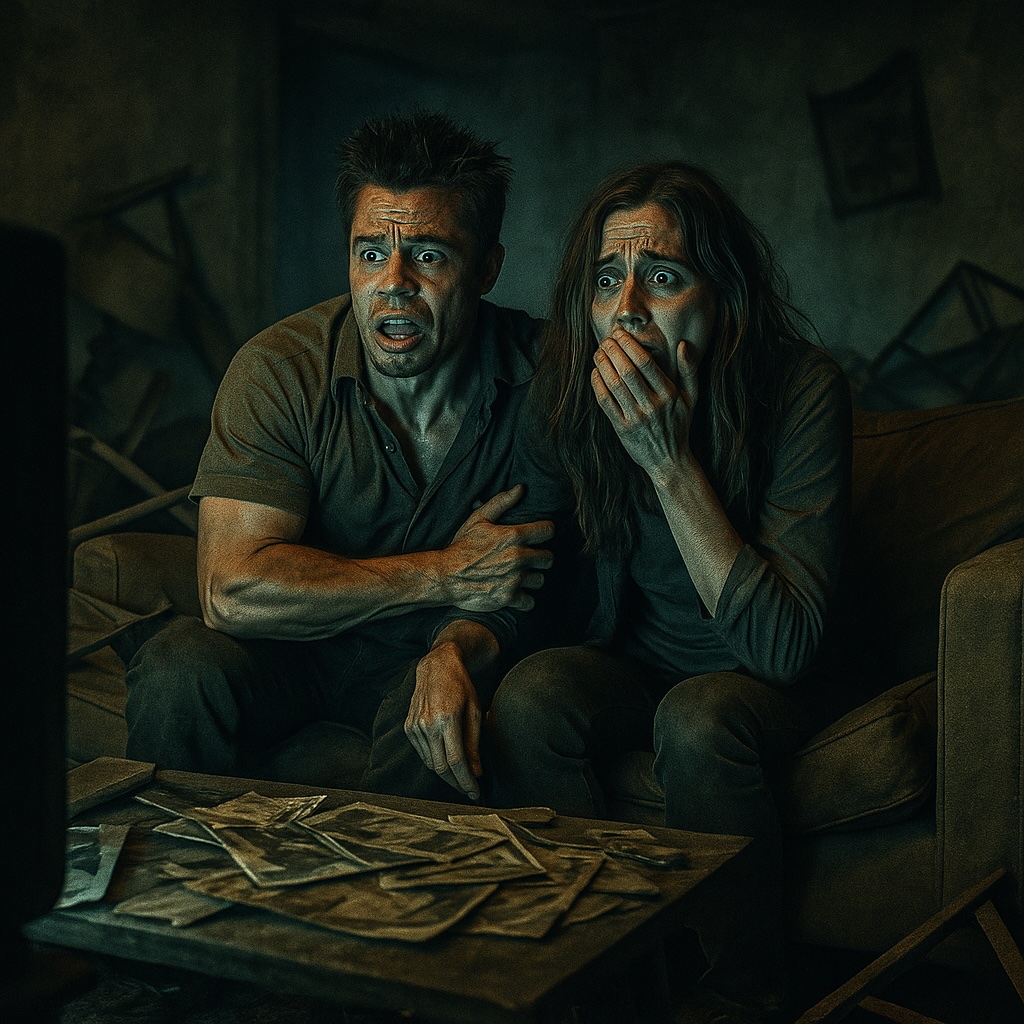
Imagine for a moment what you see on TV could be hurting you and the ones you love.
Many movies now routinely feature ritual slaughter of human beings, they often do this by showing the person was a terrible and evil person. What happens is that the audience ends up agreeing with the horrible things they see on the TV screen.
This is a horrible thing but currently millions of Americans and indeed people all over the world are watching these programs, that feature killers, murderers, psychotic murder and worse.
People are watching this and then thinking it is ok that it will not come out later in forms of depression mental illness and terrible things.
We often see headlines that defy description horrible things happen in real life.
The first thing people begin to think is how could they do the evil things they did?
How could they do it?
Could it be that some people retain these images that they see on horror movies and in fact in some cases they view these murders as entertainment.
The Dark Side of Horror: How Scary Movies Impact Our Daily Lives
While horror movies provide thrills and entertainment for millions of viewers, the psychological effects of consuming frightening content can extend far beyond the closing credits, subtly influencing our daily lives in ways we might not immediately recognize.
Sleep Disruption and Anxiety
One of the most immediate impacts of horror viewing is disrupted sleep patterns. The adrenaline and cortisol released during scary scenes can linger for hours, making it difficult to wind down for restful sleep. Many viewers report experiencing nightmares, insomnia, or heightened anxiety after watching particularly intense horror content. This sleep disruption creates a cascade effect, impacting mood, cognitive function, and overall well-being the following day.
Heightened Paranoia and Hypervigilance
Regular consumption of horror media can lead to increased paranoia and hypervigilance in everyday situations. Viewers may find themselves checking locks multiple times, feeling uneasy in dark spaces, or experiencing irrational fears about scenarios depicted in the films they’ve watched. This constant state of alertness is mentally exhausting and can interfere with normal daily activities and social interactions.
Desensitization and Emotional Numbing
Paradoxically, while horror movies can increase anxiety, they can also lead to desensitization to violence and disturbing imagery. Regular viewers may find themselves requiring increasingly intense content to achieve the same emotional response, potentially dulling their sensitivity to real-world violence and suffering.
Impact on Relationships
Horror viewing habits can strain relationships, particularly when partners have different tolerance levels for scary content. The lingering effects of fear and anxiety can also impact intimacy and emotional availability in relationships.